


Many women ask: Can cosmetics really nourish the skin? This question can't be answered in a general way. We need to start with the raw materials of cosmetics. Understanding the role of the raw materials in cosmetics is crucial to knowing whether they actually work and what kind of role they play. It's like a tonic; what it nourishes depends on the ingredients used and their effects. So, what are the commonly used raw materials in the production process of cosmetics?
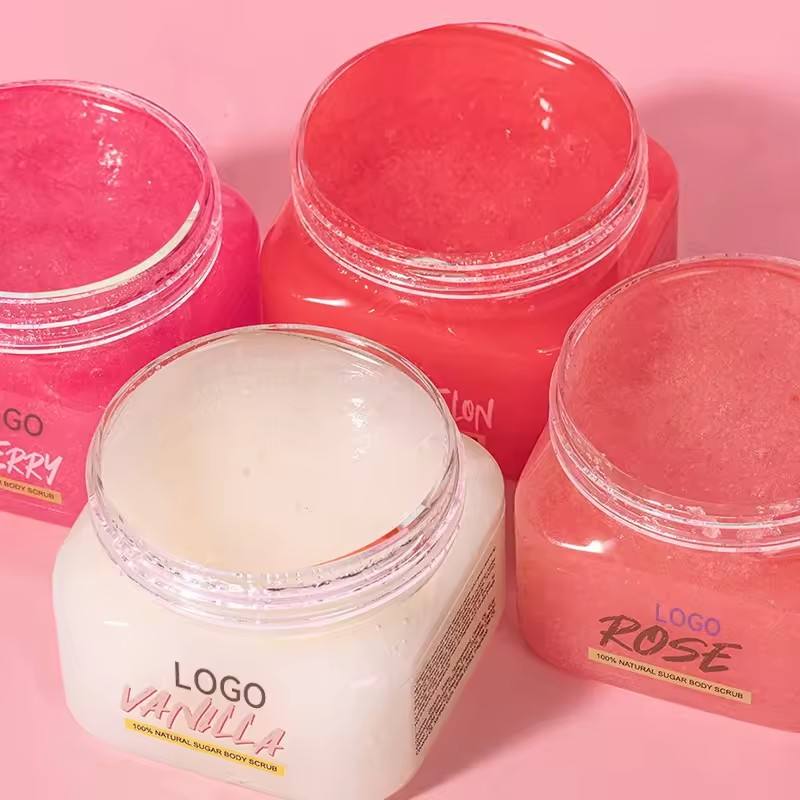
Common Raw Materials in the Manufacture of Cosmetic Products
Actually, commonly used raw materials in cosmetics fall into two main categories: base materials and functional materials.
What are cosmetic base materials?
Remember the popular online experiments testing cosmetics? Some testing methods aim to identify oils and emulsifiers in cosmetics; these are the basic substances in cosmetics.
1. Oil-based raw materials: The main raw materials in cosmetics. Used to inhibit skin moisture evaporation, moisturizing and smoothing the skin.
2. Surfactants: Hydrophilic groups that are affinity for water and lipophilic groups that are affinity for oil.
3. Moisturizers: Functioning as hygroscopic substances, they are a major component of cosmetics.
4. Thickeners: These alter the viscosity of cosmetics and thicken creams and emulsions, ensuring good stability at suitable viscosity and consistency.
5. Film-forming agents: Raw materials that can form thin films.
6. Powder raw materials: Inorganic powder raw materials; organic powder raw materials mainly include polyethylene powder and nylon powder.
7. Other raw materials: Fragrances, antioxidants, and metal ion chelating agents.
What are functional raw materials in cosmetics?
The base raw materials in cosmetics address general skin moisturizing issues. Early examples include shell oil, whitening agents, and baby creams. These cosmetics have simple ingredients and, although their function is singular, they are less likely to cause allergies. This is why many people are fond of baby products.
With advancements in cosmetic technology, more and more functional cosmetic raw materials are being added to cosmetic formulations through innovation and research, resulting in a wider range of cosmetic functions. Of course, the more complex the product, the greater the potential for problems. Therefore, consumers should not blindly pursue products with multiple functions.
1. Sunscreen: Provides sun protection by effectively absorbing and scattering harmful solar radiation in the 290-400nm range. Sunscreens are divided into organic sunscreens (also known as UV absorbers) and inorganic sunscreens.
2. Preservatives: Inhibit the growth of microorganisms in the product or prevent the growth of microorganisms that react with the product.
3. Colorants: Used to adjust the color of cosmetics.
4. Whitening agents: Mechanism of action: destroy melanocytes; inhibit melanin production; inhibit the biosynthesis of tyrosinase; have a chemical effect on melanin or increase the degradation of melanin granules in keratinocytes.
5. Deodorants: Remove odors.
6. Conditioning agents: Functional additives that condition or improve problem skin. For example, additives for acne. Acne is a chronic inflammation of the hair follicle sebaceous glands. Additives in this category include: sebum inhibitors, keratolytic agents, and antibacterial agents. 7. Nutritional Additives: Ginseng extract, aloe vera, silk peptides, silk fibroin, extracts, seaweed extract, superoxide dismutase, ceramides, etc.
Top 10 cosmetics manufacturing factories | cosmetics customization | manufacturer of cosmetics products | supplier skincare - DaAo OEM&ODM Cosmetics Manufacturers in Guangzhou, Guangdong, China