


The global skincare market is increasingly driven by brands that want full control over product quality, performance, and branding. This is where custom skincare manufacturing becomes a strategic advantage. Instead of using pre-made formulas, brands collaborate with an experienced manufacturing partner to create unique skincare products—from ingredient selection to final packaging.
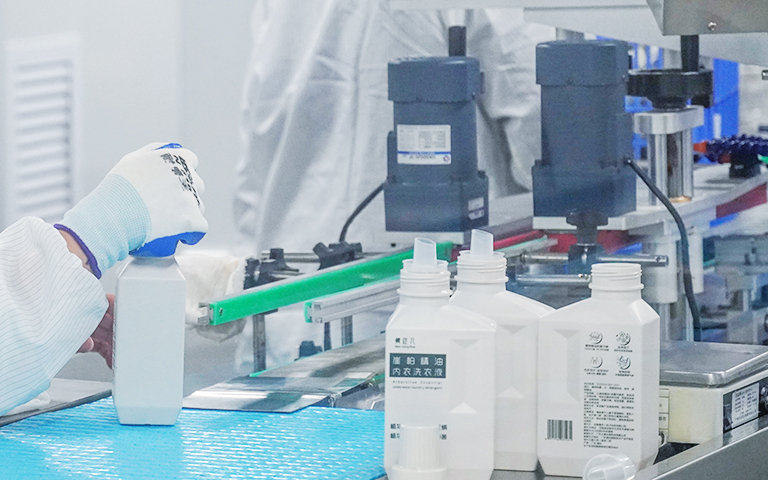
In this guide, we take a deep dive into the custom skincare manufacturing workflow, explaining how products move from concept to shelf and why working with the right manufacturer matters.
What Is Custom Skincare Manufacturing?
Custom skincare manufacturing is the process of developing bespoke skincare products tailored to a brand’s exact specifications. Unlike private label solutions, every aspect of the product is customised, including:
Formula composition
Active ingredients and concentrations
Texture, fragrance, and performance
Packaging design and materials
Regulatory compliance and testing
Brands that choose custom manufacturing work closely with a skincare product manufacturer to ensure their products align with market trends, consumer needs, and brand identity.
Step 1: Product Concept and Market Positioning
The process begins with a clear product vision. At this stage, brands define:
Target audience and skin concerns
Product type (serum, cream, cleanser, mask, etc.)
Desired benefits (hydration, anti-aging, brightening)
Price positioning and distribution channels
A professional cosmetic manufacturer will often provide guidance on ingredient feasibility, market trends, and formulation limitations to ensure the concept is both innovative and commercially viable.
Step 2: Custom Formulation and Ingredient Selection
Formulation is the foundation of custom skincare manufacturing. Chemists develop a product that meets the brand’s functional, sensory, and regulatory requirements.
This phase includes:
Selecting active and supporting ingredients
Balancing stability, texture, and absorption
Ensuring compatibility between ingredients
Avoiding restricted or non-compliant substances
Multiple lab samples are usually created and refined until the formula meets performance expectations. This iterative process ensures the final product is safe, effective, and differentiated.
Step 3: Testing, Stability, and Compliance
Before moving into production, the formulation must undergo rigorous testing to meet industry and regulatory standards.
Typical tests include:
Stability testing for shelf life validation
Microbiological testing for product safety
Compatibility testing with packaging materials
Compliance is a critical responsibility of any reliable skincare product manufacturer. This ensures products can be legally sold in target markets while maintaining consumer trust.
Step 4: Pilot Batching and Scale-Up
Once testing is complete, manufacturers produce a pilot batch. This small-scale run validates that the formula performs consistently under manufacturing conditions.
During scale-up, manufacturers assess:
Batch consistency
Production efficiency
Quality control checkpoints
This step reduces risks before committing to full-scale production and helps maintain consistent quality across every unit.
Step 5: Packaging Selection and Design Integration
Packaging plays a vital role in product protection, usability, and brand perception. Custom skincare manufacturing allows brands to choose packaging that aligns with both functional and marketing goals.
Key considerations include:
Airless pumps, jars, tubes, or bottles
Material compatibility with the formula
Sustainability and recyclability
Labelling and regulatory requirements
Manufacturers often support packaging sourcing, filling, and labelling to ensure a seamless workflow.
Step 6: Quality Control and Final Production
Quality assurance is maintained throughout production. Each batch is monitored to ensure it meets predefined specifications for appearance, texture, and performance.
Final inspections typically include:
Visual and weight checks
Batch record verification
Packaging integrity checks
A professional cosmetic manufacturer will operate under strict quality management systems to minimise defects and ensure brand consistency.
Step 7: Logistics, Storage, and Distribution Support
After production, products are prepared for distribution. Depending on the agreement, manufacturers may assist with:
Warehousing and storage
Batch traceability
Shipment coordination
This end-to-end approach allows brands to focus on sales and marketing while production logistics are handled by experts.
Why Brands Choose Custom Skincare Manufacturing
Custom manufacturing is ideal for brands that want:
Full formula ownership
Strong product differentiation
Long-term brand equity
Greater control over quality and innovation
While it requires more planning than off-the-shelf solutions, the result is a unique, defensible product line that supports long-term growth.