


Anti-aging skincare and products offer a range of skin-related solutions, particularly in reducing the visible signs of aging: age spots, fine lines, and wrinkles.
According to a report preview by Transparency Market Research, moisturizers are in the highest demand, followed by cleansers, serums, toners, and face masks. The Asia-Pacific region dominates the market, driven by its growing population. An aging demographic is a key factor fueling the demand for anti-aging skincare solutions.
However, as demand grows, a multitude of skincare brands have emerged, all claiming to offer anti-aging solutions. If you already own a skincare brand, you need to launch an anti-aging product line to maintain customer loyalty. But the question remains: how do you go about doing that?
The first step is to start with the formulation. Your products must contain the right ingredients—those that actually deliver results. In this blog post, we will explore five potent ingredients that will help you develop high-quality products that keep customers coming back for more.
Key Takeaways:
Stable formulations yield predictable results and foster brand loyalty.
Key ingredients such as retinol, Vitamin C, and hyaluronic acid offer a multitude of benefits for mature skin.
Partnering with a trusted cosmetic manufacturer ensures product quality, stability, and regulatory compliance.
Why Customers Stay Loyal to Anti-Aging Brands
In the skincare industry—especially given the sheer abundance of available products—building customer loyalty is no easy feat. Anti-aging products have proven to be an effective avenue for boosting customer retention. If consumers experience noticeable improvements in their skin, they are far more likely to make repeat purchases and recommend those products to others, thereby establishing a stable customer base.
A primary reason why anti-aging products earn consumer loyalty lies in their long-term utility. Consumers who incorporate anti-wrinkle creams, moisturizers, or serums into their daily skincare routines tend to stick with the brands that deliver tangible results. This habitual usage strengthens the consumer's attachment to the brand over time.
Consumers also seek solutions that align with their specific beauty goals. For instance:
Moisturizers provide daily hydration, making them an essential component of any skincare routine.
Anti-wrinkle products specifically target the visible signs of aging. This encourages customers to make repeat purchases.
Anti-Aging Ingredients Your Product Shouldn't Be Without
Skincare and Anti-Aging Ingredients
Retinol
It has long been recognized as one of the most effective ingredients in skincare. As a derivative of Vitamin A, it helps improve skin texture, reduce fine lines, and promote a more even skin tone.
How Retinol Works
Its mechanism of action involves accelerating cell turnover, meaning it sheds dead skin cells and replaces them with new, healthier ones. Another key benefit of retinol is its ability to stimulate...
Hyaluronic Acid
It is widely recognized as a key ingredient for caring for dry, aging skin—largely due to its exceptional moisturizing capabilities. Naturally present in the epidermis, it helps keep the dermis hydrated and plump, restoring a youthful radiance.
However, as the body's natural levels of hyaluronic acid decline, the skin becomes dry, leading to the formation of fine lines and wrinkles. Incorporating hyaluronic acid into skincare formulations effectively addresses these common signs of aging.
Why Hyaluronic Acid Is So Effective
It can absorb up to 1,000 times its own weight in water, keeping the skin hydrated for extended periods. It reduces the appearance of fine lines and wrinkles, leaving the skin smoother and more refined.
It enhances the absorption of other active ingredients—such as retinol or Vitamin C—thereby boosting the product's overall efficacy.
Vitamin C
Vitamin C brightens the complexion, diminishes fine lines, and defends against environmental stressors. As a potent antioxidant, it neutralizes free radicals and helps combat premature aging caused by UV exposure and pollution. Consequently, Vitamin C is an indispensable ingredient in anti-aging formulations.
Key Benefits of Vitamin C
It promotes collagen synthesis, helping to maintain skin firmness and reduce the appearance of wrinkles.
When used in conjunction with sunscreen, it creates a protective barrier that minimizes the damaging effects of pollution and UV radiation.
Peptides
These short-chain amino acids serve as the fundamental building blocks for essential proteins such as collagen and elastin. As we age, the rate of collagen production slows down, leading to fine lines, wrinkles, and sagging skin.
Incorporating peptides into skincare formulations helps address these issues by stimulating the epidermis to produce more collagen. What are the results? Firmer, smoother skin.
How Peptides Support Skin Health
Promote the skin's production of collagen to improve elasticity and reduce signs of aging.
Help maintain skin barrier function and retain moisture.
Smooth skin texture and diminish the appearance of wrinkles.
Blend seamlessly with serums, creams, and masks—making them a versatile addition to any skincare regimen.
Niacinamide
Also known as Vitamin B3, niacinamide strengthens the skin barrier, reduces moisture loss, and enhances overall skin elasticity. One of its most notable benefits is its ability to even out skin tone, reduce redness, and fade hyperpigmentation. It achieves a more balanced complexion over time by slowing down the transfer of pigment within the skin.
If you are looking to develop a product targeting oily or acne-prone skin, niacinamide offers additional advantages. It regulates sebum production, refines skin texture, and visibly minimizes pores. Its soothing properties also make it an ideal choice for addressing skin concerns associated with inflammation.
How Cosmetic Manufacturers Can Help Your Brand Create Effective Anti-Aging Products
Formulation – Skincare – Anti-Aging
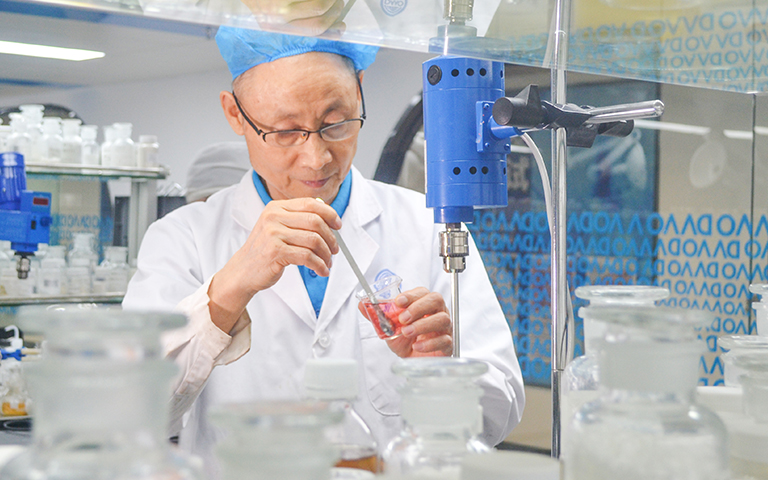
Creating optimal products for aging skin requires advanced scientific research, high-quality ingredients, and precise manufacturing processes. Cosmetic manufacturers possess the expertise to develop your products and meet the demand for solutions that address signs of aging. An exceptional manufacturer will:
Collaborate closely with your brand to understand desired product attributes—such as texture, scent, and packaging.
select raw materials that meet rigorous standards for safety and efficacy.
Formulate products by blending various ingredients in specific ratios to achieve optimal results.
Conduct stability testing to ensure the product maintains its quality over time without compromising potency or safety.