


For those passionate about beauty, Niacinamide and Vitamin C are likely familiar names in their daily skincare routines, as these two substances are key factors in achieving a brighter complexion. Currently, many skincare products incorporate both Niacinamide and Vitamin C. Today, let's explore the specific benefits of skincare products—particularly those produced via contract manufacturing—that feature these Niacinamide and Vitamin C-infused formulations.
In fact, both Niacinamide and Vitamin C are ingredients known to possess skin-brightening properties. Niacinamide—also known as Vitamin B3—exhibits excellent stability in both solution and light exposure; its stability is particularly robust at a pH level of 6. Due to its high efficacy and cost-effectiveness, it is widely utilized across a diverse range of skincare products. It functions to regulate the skin barrier, minimize transepidermal water loss, and offers excellent oil-control and moisturizing benefits. Furthermore, Niacinamide inhibits the transfer of melanin to keratinocytes, thereby achieving a noticeable skin-brightening effect. It also boasts anti-inflammatory, antioxidant, and UV-protective properties, and helps prevent photo-induced immunosuppression. In essence, Niacinamide contributes to anti-aging efforts and is particularly beneficial for those with oily or acne-prone skin.
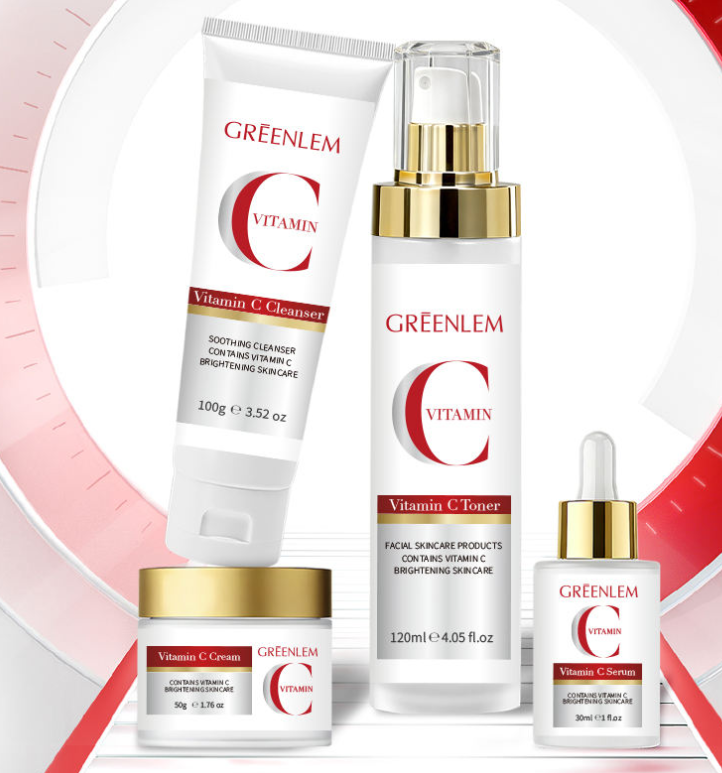
Vitamin C also plays a significant role in skin brightening; it inhibits the activity of tyrosinase—the enzyme responsible for melanin synthesis—and offers a degree of protection against ultraviolet radiation. Additionally, it demonstrates efficacy in reducing wrinkles and combating the signs of aging. Consequently, the primary benefits of incorporating Vitamin C into one's skincare routine include: achieving a brightening effect by interfering with melanin production—specifically by interacting with copper ions at the active site of tyrosinase to disrupt the multi-step synthesis process (such as the formation of dopaquinone); leveraging its exceptionally potent antioxidant capabilities to neutralize free radicals by sacrificing itself in the process; mitigating UV-induced immunosuppression to enhance the skin's overall resilience and provide protection against photo-aging; and finally, stimulating collagen production to improve skin elasticity and deliver anti-aging benefits. Regarding the skin-nourishing effects of niacinamide and Vitamin C in contract-manufactured skincare products—specifically from the perspective of their skin-brightening mechanisms—the skincare functions of these two ingredients are not mutually exclusive; in fact, they are complementary. The mechanism by which Vitamin C brightens the skin involves directly inhibiting the production of melanin. Niacinamide—a derivative of the Vitamin B family—is equally potent; it acts by influencing the signaling pathways between melanocytes and keratinocytes, thereby preventing the excessive accumulation of melanin. Furthermore, regarding melanin that has already been produced, niacinamide helps to reduce its transfer to other cells; it also accelerates cellular metabolism, facilitating the direct absorption of these substances by the cells to help maintain skin balance.
In summary, niacinamide and Vitamin C readily form stable complexes. Consequently, when skincare products containing this combination are applied, the active ingredients gradually disassociate upon penetrating the skin, allowing each to independently exert its specific therapeutic effects. Moreover, as members of the vitamin family—specifically Vitamin B (niacinamide) and Vitamin C—these two ingredients demonstrate excellent synergistic activity within the skin, effectively addressing and improving various skin concerns.