


In recent years, with the continuous improvement of people's living standards, cosmetics have become a necessity in many people's daily lives. However, as the number of brands in the cosmetics market increases, the quality of products is becoming increasingly worrying. The biggest reason for product quality problems is that OEM cosmetic manufacturers have not properly controlled the production environment during production, leading to contamination by external bacteria and resulting in quality issues. So, what aspects of hygiene should OEM cosmetic manufacturers address during product production?
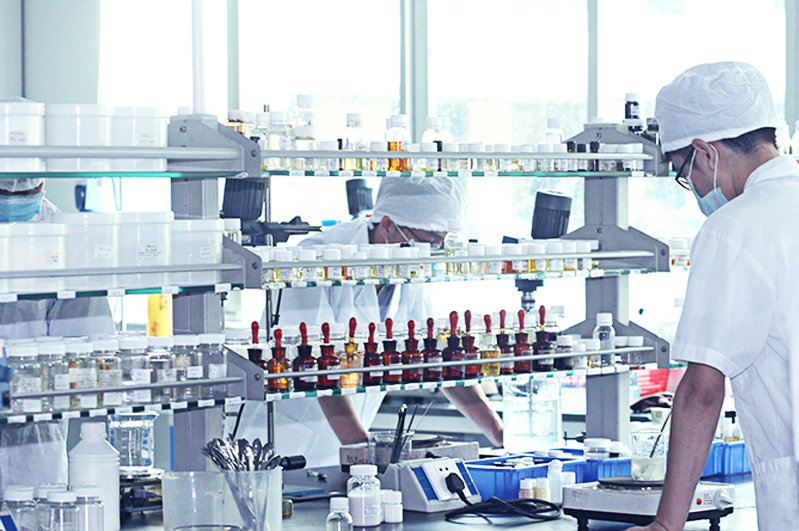
In the cosmetics production process, OEM cosmetic manufacturers must first ensure the hygiene of the production environment. Many factors affect the quality of cosmetics, but the hygiene of the production environment is a primary factor. Generally, the production environment of cosmetics can be divided into internal and external factors. External factors have an indirect effect on the hygiene of cosmetics, while internal factors have a primary impact on the hygienic quality of cosmetics, directly affecting the microbial content in the product.
Studies have shown that the amount of bacteria in the air is directly proportional to the number of airborne dust particles. The number of bacteria in the air increases with the increase of airborne dust. The main stages of microbial contamination in cosmetic products occur during the filling and cooling processes. These processes are generally carried out on work surfaces, which are exposed to the air for the longest time, making them the most direct cause of suspended particle contamination.
Therefore, the lack of regular disinfection of the air in cosmetic production workshops and the failure to promptly clean and disinfect work surfaces will seriously affect the quality of cosmetics.
Furthermore, the hygiene of raw materials used in cosmetic production is also a key factor affecting the quality of cosmetic products. Therefore, OEM cosmetic manufacturers need to strengthen the supervision and inspection of routine cosmetic production raw materials.
With the booming development of the cosmetics industry, OEM cosmetic manufacturers can further promote the development of the industry by paying more attention to the hygiene and safety management of cosmetics, ensuring both consumer rights and the development of enterprises.
In the cosmetics production process, OEM manufacturers must first ensure the hygiene of the production environment. Many factors influence the quality of cosmetics, but the hygiene of the production environment is a primary one. Generally, the cosmetics production environment can be divided into internal and external factors. External factors have an indirect effect on hygiene, while internal factors have a major impact on the quality of the product, directly affecting the microbial content.
Studies have shown that the amount of bacteria in the air is directly proportional to the number of airborne dust particles. The number of bacteria increases with the increase of airborne dust. The main stages of microbial contamination in cosmetics occur during the filling and cooling processes. These processes typically involve work surfaces, which are exposed to air for the longest time, making them the most direct source of suspended particle contamination.
Therefore, infrequent disinfection of the air in cosmetics production workshops and failure to promptly clean and disinfect work surfaces will seriously affect the quality of cosmetics.
Furthermore, the hygiene of raw materials used in cosmetics production is also a key factor affecting product quality. Therefore, OEM manufacturers need to strengthen the supervision and inspection of routine cosmetic raw materials.
With the cosmetics industry booming, OEM cosmetics manufacturers can further promote the industry's development by paying more attention to the hygiene and safety management of cosmetics, thus ensuring both consumer rights and business growth.