


The cosmetics market is seeing an increasing variety of products, with enhanced functionality and higher technological content, presenting many cosmetic manufacturers with new challenges in new product development. How can cosmetic OEM manufacturers develop new products that not only win in the market but also satisfy consumers? This is a significant challenge faced by many cosmetic OEM manufacturers.
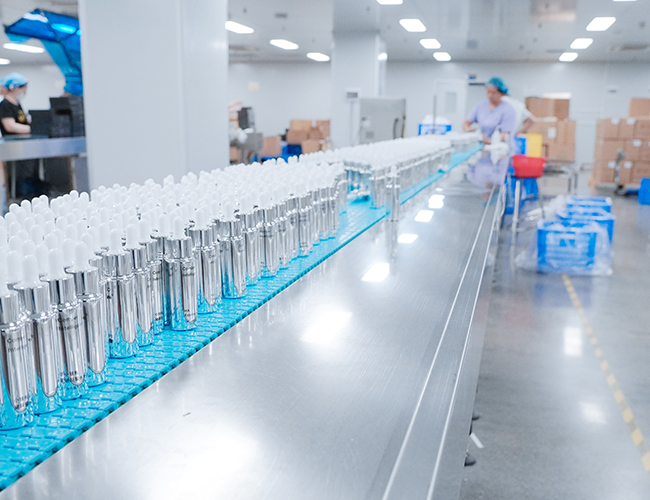
Before developing a new product, cosmetic manufacturers need a product concept. This concept stems from thorough market due diligence, understanding the latest developments in the domestic and international cosmetics markets, and providing ideas and suggestions to the product development department of the cosmetic OEM. Simultaneously, the cosmetic OEM manufacturer needs to conduct relevant market research to develop cosmetics that better meet market and consumer needs.
Secondly, the cosmetic OEM manufacturer's R&D department must fully understand and master the structure of the cosmetic formulation being developed. Regardless of the dosage form and requirements of the new product, the formulation structure consists of six basic modules: emulsification system, efficacy system, thickening system, antioxidant system, preservative system, and sensory modification system. The emulsification system, primarily composed of emulsifiers, oil-based raw materials, and basic aqueous phase raw materials, forms the basic framework of emulsified products. Its design directly affects product stability. The efficacy system, primarily composed of efficacy additives, aims to achieve the designed product efficacy. Its design directly affects the product's effectiveness. Product efficacy evaluation results show that each cosmetic has its specific efficacy and usefulness. Currently, nine categories of special-purpose cosmetics in my country have even more specific efficacy effects. The thickening system, primarily composed of thickeners and viscosity modifiers, aims to adjust the product's viscosity. Its design directly affects the product's sensory effects. The antioxidant system, primarily composed of antioxidants, protects easily oxidized raw materials from deterioration, extending the product's shelf life. The preservative system, primarily composed of preservatives, prevents product deterioration caused by microbial contamination and secondary contamination, extending shelf life. The sensory modification system, primarily composed of fragrances and pigments, improves the product's sensory characteristics, enhances its appeal, provides consumers with sensory enjoyment, and stimulates purchasing desire.
When designing new product formulations, cosmetic manufacturers must meticulously record every step of the process, including the names and manufacturers of raw materials, actual quantities of raw materials, detailed preparation procedures, and sensory and stability records upon completion. Timely summarization and analysis are crucial to identify problems and learn from experience, thereby enabling the development of high-quality products.