


Due to environmental pollution and fast-paced lifestyles, many people experience varying degrees of skin problems. As people increasingly prioritize skincare, the demand for anti-allergy cosmetics is constantly increasing. Many OEM cosmetic manufacturers have recognized this market demand and launched their own anti-allergy products to meet it. So, what natural anti-allergy ingredients do OEM cosmetic manufacturers use in their anti-allergy cosmetics?
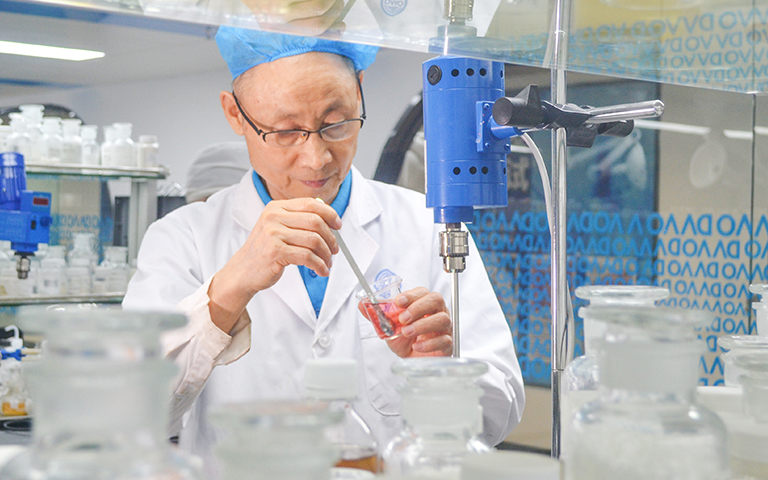
Currently, OEM cosmetic manufacturers use many natural anti-allergy plant additives in their products. These primarily extract effective ingredients from natural plants and apply them to cosmetics. These mainly include chamomile, purslane, and tannins, among other natural anti-allergy ingredients.
Chamomile's main anti-allergy component is blue chamomile oil, which has excellent anti-allergic effects. It can improve ruptured blood vessels, effectively repair them, restore and enhance vascular elasticity, improve skin's sensitivity to hot and cold stimuli, soothe skin allergies, provide a natural protective barrier for the skin, effectively repair damaged stratum corneum, and promote stratum corneum growth.
Purslane extract has anti-allergic, anti-inflammatory, and skin-protecting properties in cosmetics, and it also helps with acne. It is particularly effective against skin allergies caused by long-term use of hormonal cosmetics. Purslane extract is suitable for use in various cosmetics, including facial cleansers, shower gels, creams, lotions, and gels, as well as hair care products (where it has anti-dandruff properties).
Tannins, also known as tannins or tannic acid, are the main active ingredients in plants of the Hamamelidaceae family. They are complex polyphenolic compounds with large molecular weights. They are divided into two main categories: hydrolyzable tannins and non-hydrolyzable tannins. Tannins have strong astringent properties and can coagulate the protoplasm of microorganisms, exhibiting some antibacterial activity.